OLI Torus
A Grading Experience Design Overhaul For a Learning Management System
Web App, LMS
5 months
UI/UX Designer
01
What Is It?
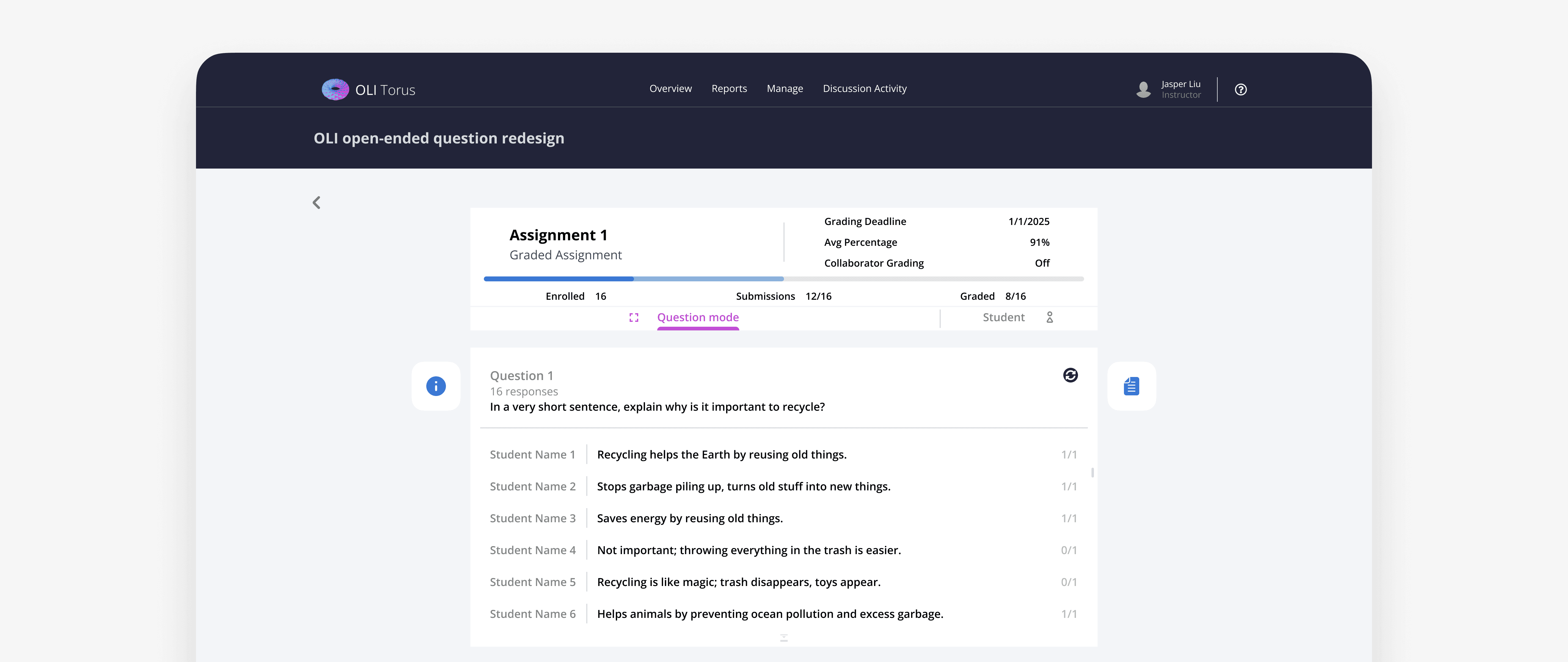
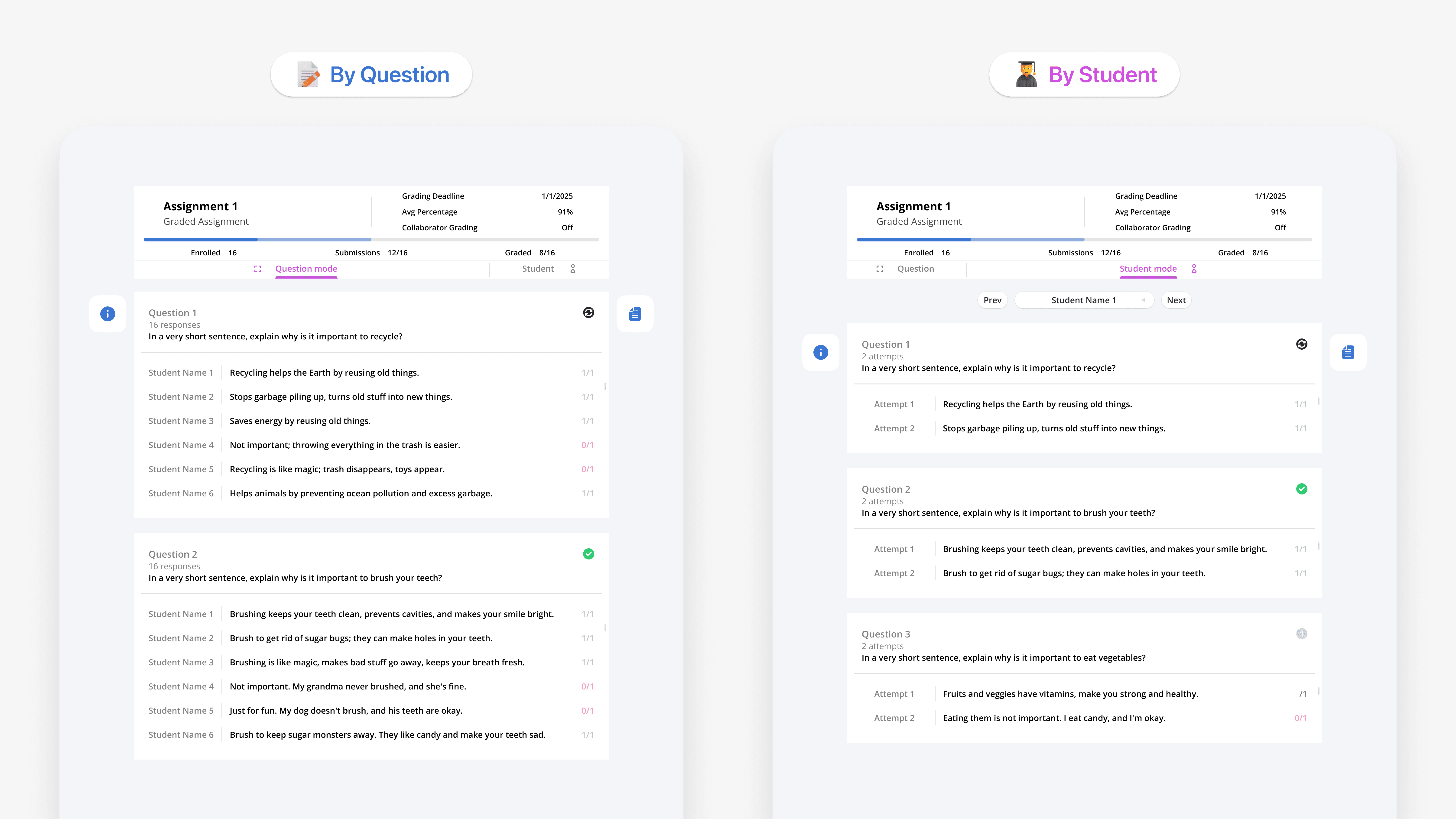
Torus is a next-generation web-based learning management system for creating, delivering, and optimizing adaptive learning experiences. However, a key workflow feature—the assignment grading tool—had become a significant usability pain point. Poor information architecture, unintuitive navigation, and confusing UI made it difficult for users to locate, understand, and act on key grading tasks. As a result, many users avoided the feature altogether, relying instead on alternative tools. This damaged user trust, reduced engagement, and negatively impacted the product's retention and long-term adoption.
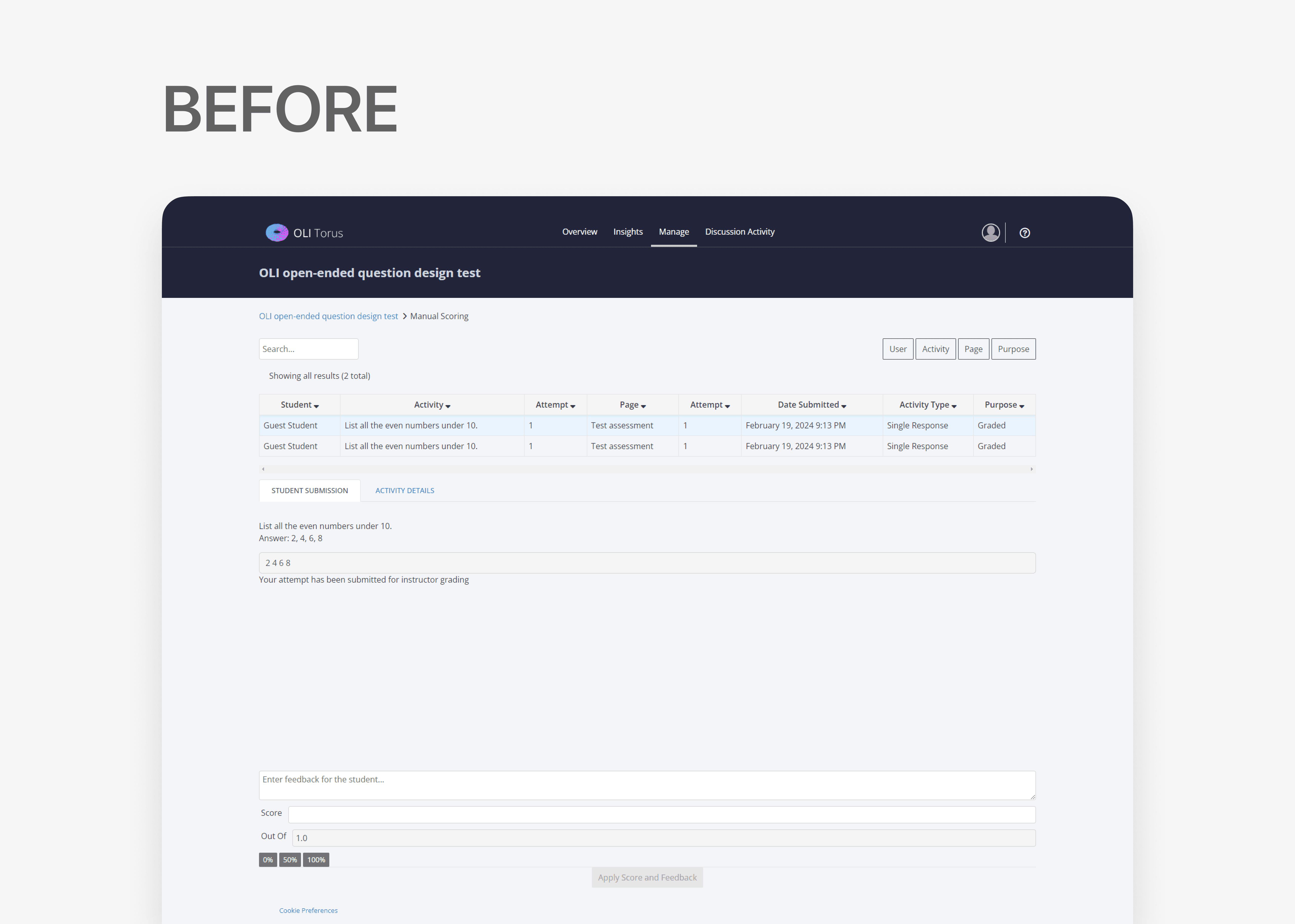
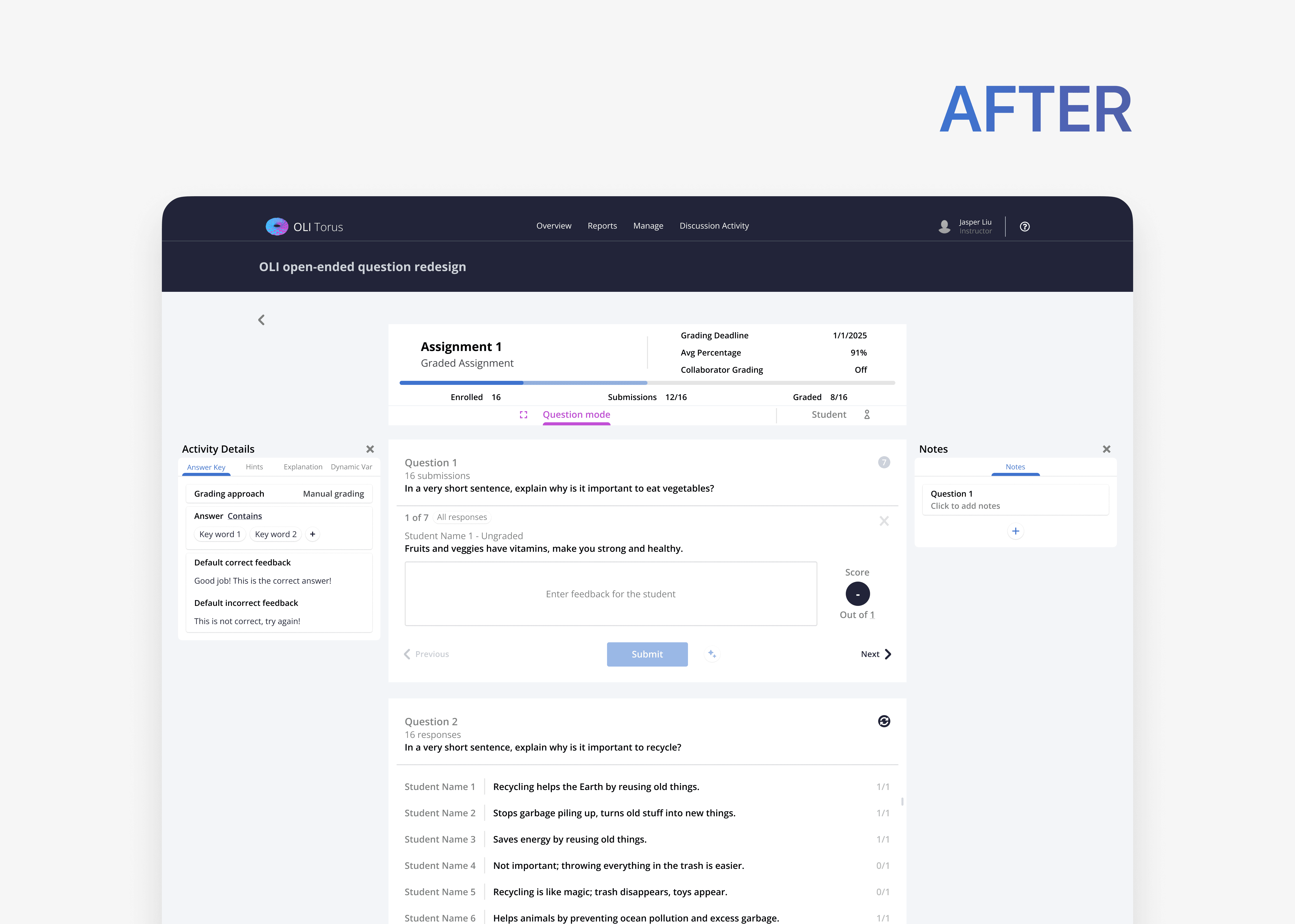
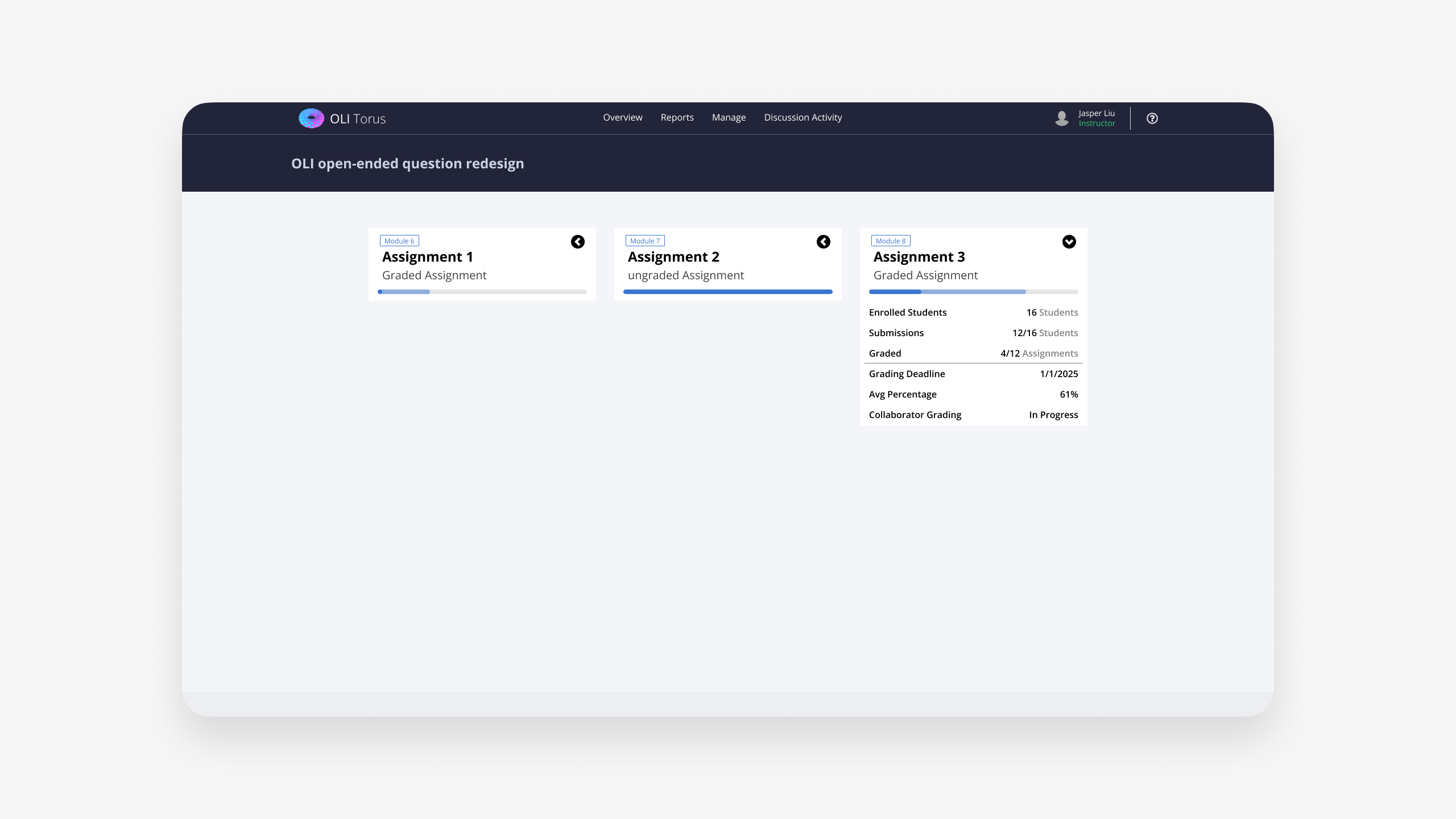
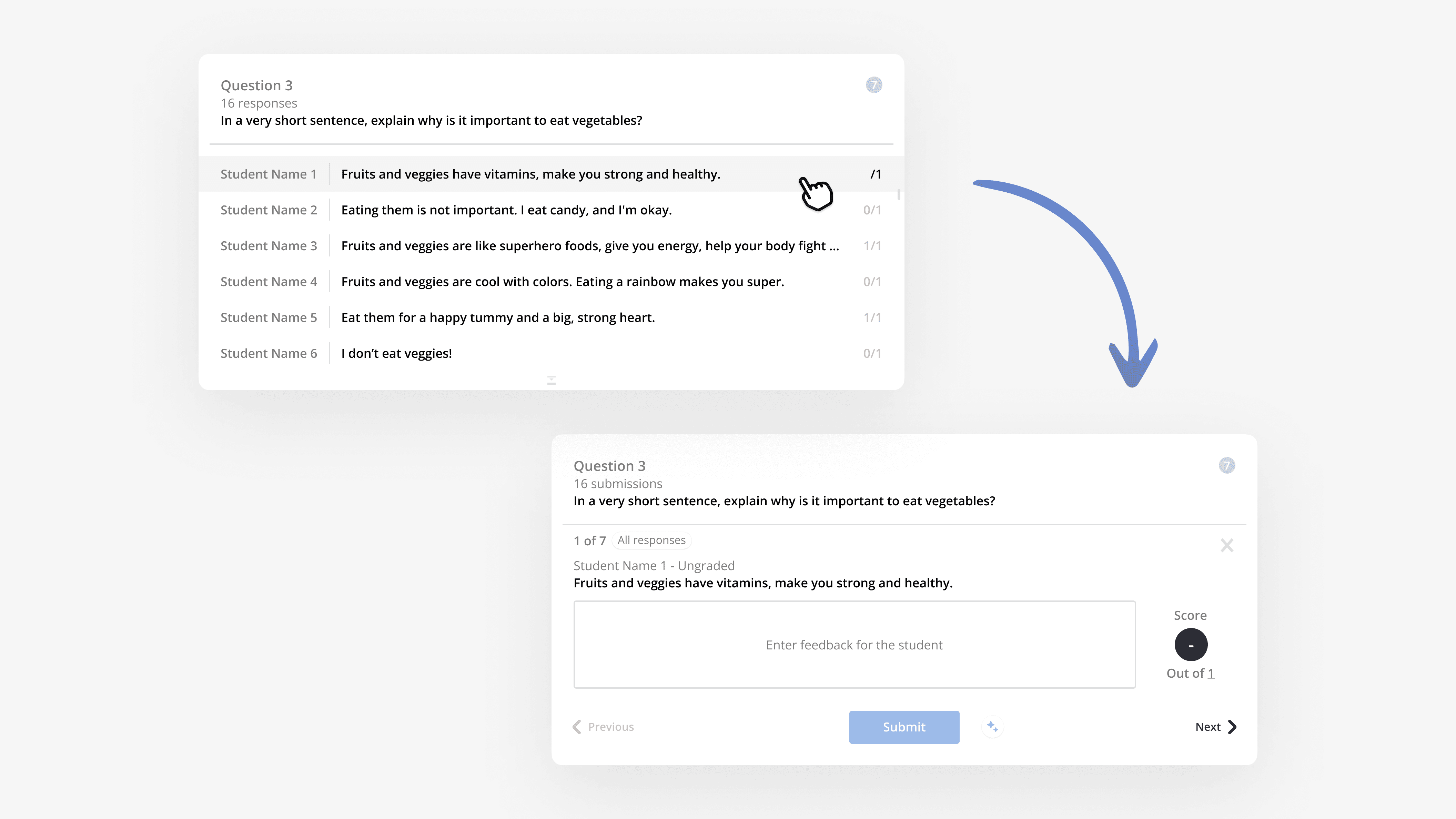
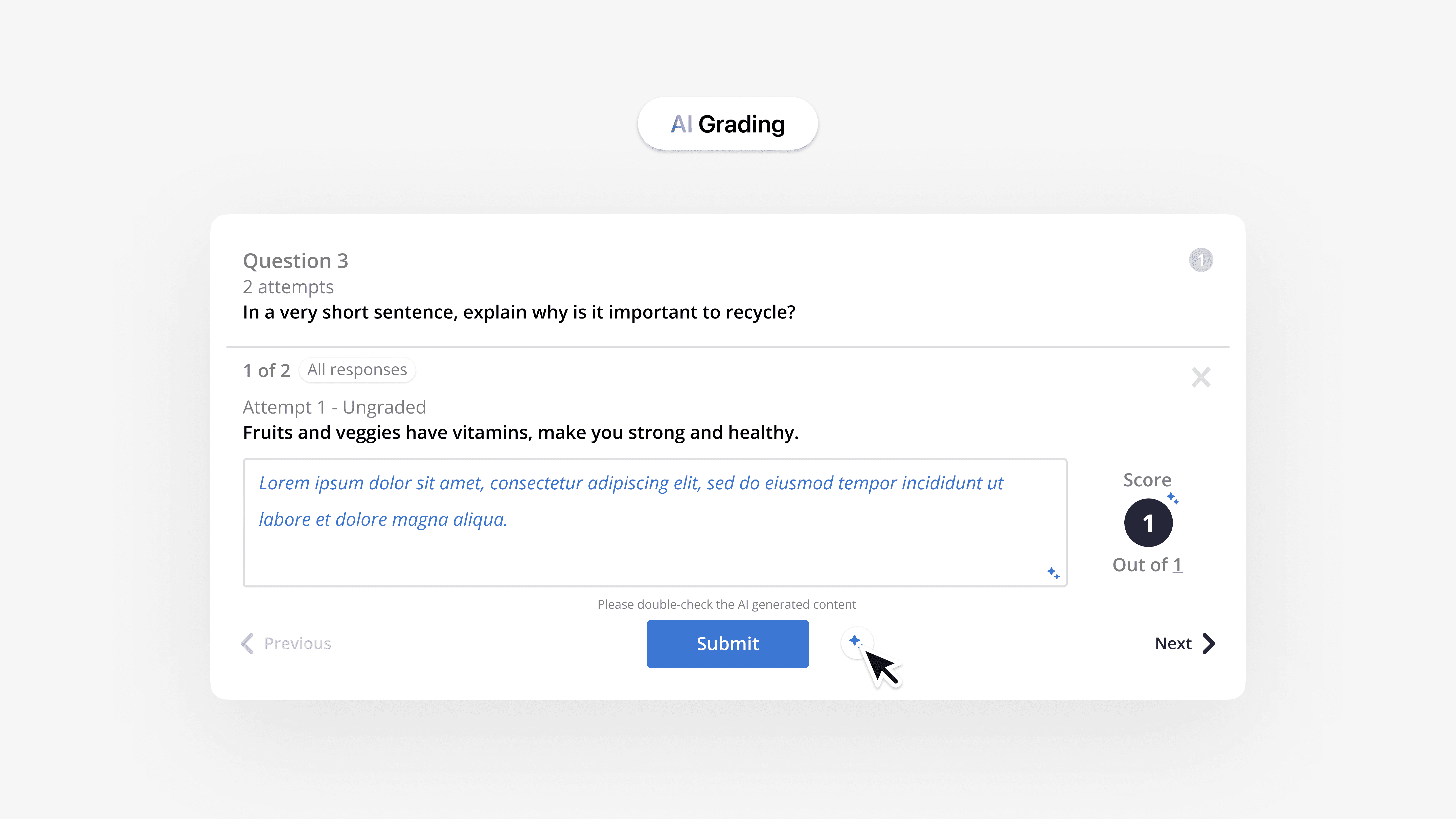
As the sole product designer, I was responsible for redesigning the grading experience to streamlining workflows, reducing cognitive load, and better support users to provide meaningful, high-quality grading feedback. My goal was to make the interface intuitive enough for new users while providing the depth and flexibility needed by experienced instructors, ultimately increasing feature adoption and reinforcing the platform’s core value.
02
Have a Look
03
My Impacts
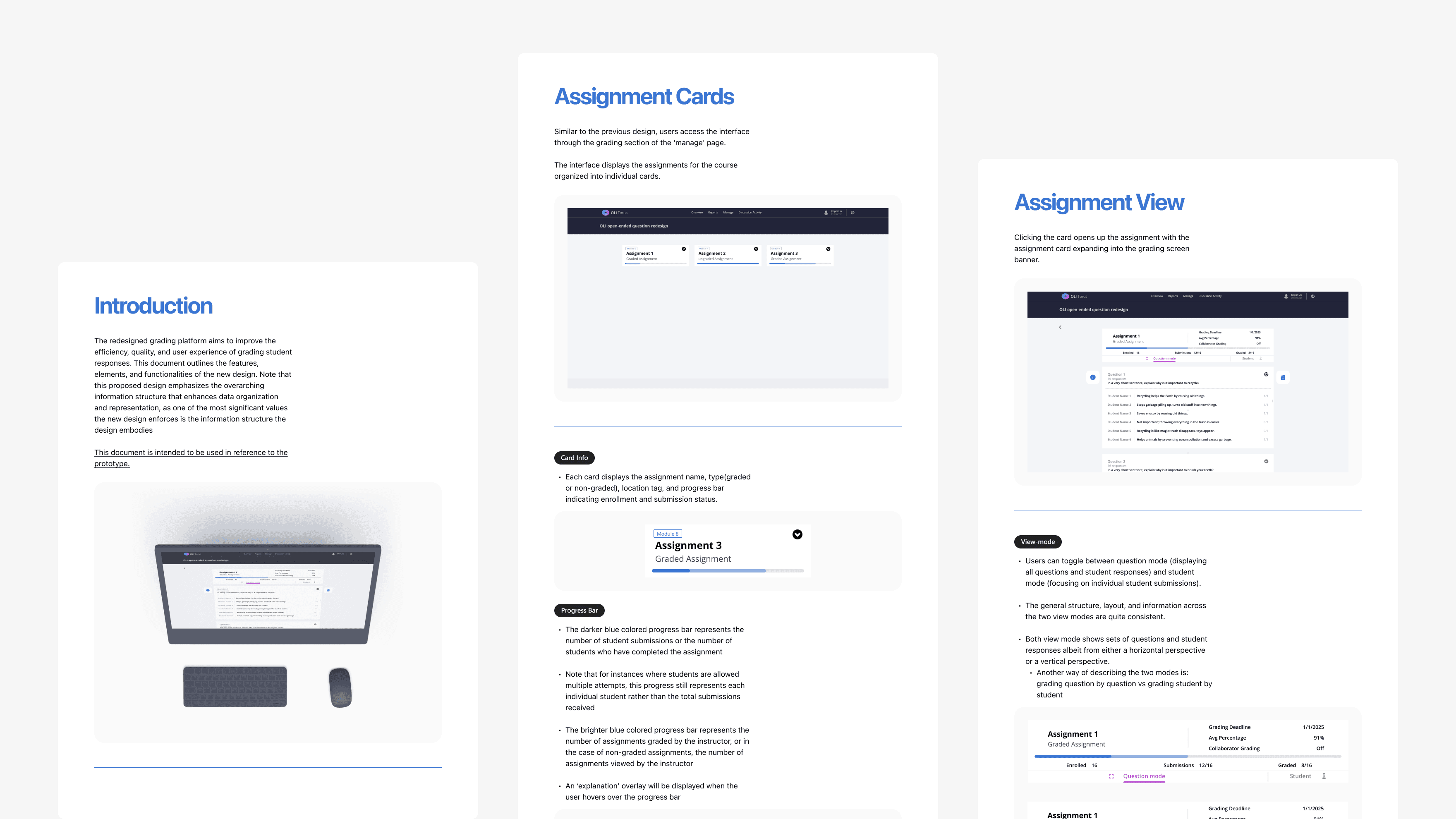
Following rounds of testing and iteration, the redesign improved task efficiency and interaction consistency by over 55%. Feature interest and perceived usability also increased significantly, rising from ~20% to over 80% of participants expressing intent to re-engage with the previously avoided tool. I also delivered a high-fidelity prototype and a clear, scalable design spec (PRD) to guide implementation and support future growth across the platform.
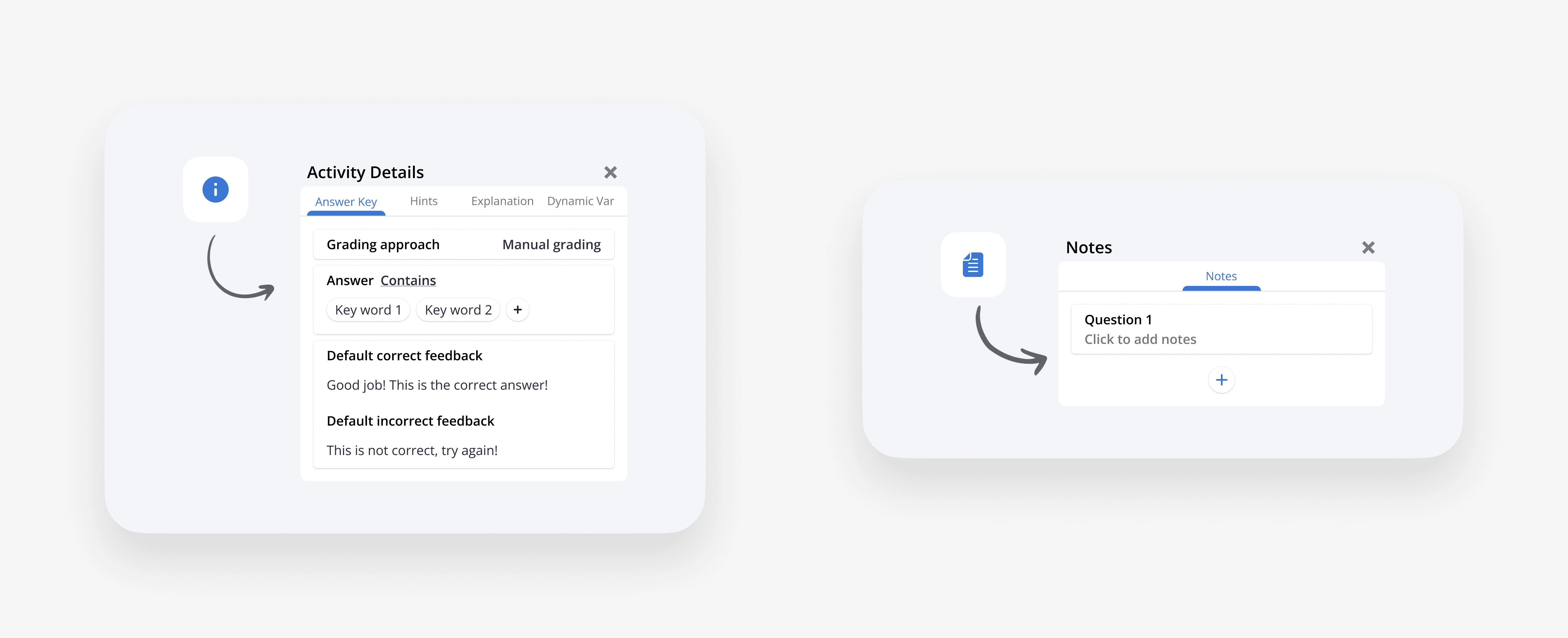
Aside from the redesigned grading feature, new components I designed—such as the notes widget—were adopted across other areas of the Torus platform. These elements helped further improve the product-wide user experience and usability, while contributing to a more cohesive, scalable system.
05
Always Room for Reflections
This project has been a valuable learning experience, covering all stages of the design process from research and ideation to prototyping, testing, and hand-off. One of the most intriguing insights I learned was the notion of leveraging design to turn challenges into opportunities. The initial lack of direction and a solid starting point, while difficult to navigate initially, allowed for valuable, innovative design inspirations without existing constraints.
Another key takeaway is the importance of a lean approach and rapid iterations. Initially, the project followed a standard double-diamond process: low-fidelity prototype, big test, mid-fidelity prototype, big test, high-fidelity prototype, big test. However, this approach proved ineffective given the project's uncertainties. Adopting a lean approach and rapid iterations enabled faster progress and adaptation, leading to the project's successful outcome.
A somewhat counter-intuitive lesson was the importance of balancing user-centered design with the designer's own judgment. Testers initially prioritized a specific functionality, which I closely followed and prototyped, but in the next session, close to no testers used it or mentioned it, with some finding the concept distracting. This experience highlighted the need for designers to make informed decisions without being overly focused on direct user feedback.
Overall, this project offered me an opportunity to practice, improve, and learn/further develop my overarching interaction design skills in conjunction with the application of design thinking, design theories, and learning sciences. I look forward to revisiting the design as OLI continues to expand and improve.